

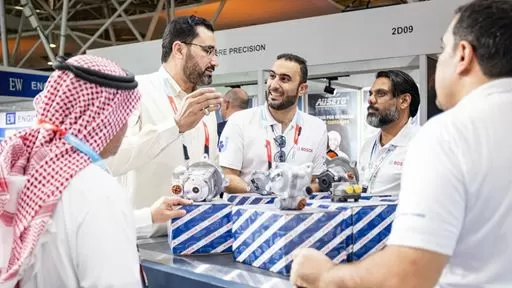
Digitalisation, electric vehicle adoption, and artificial intelligence are transforming the automotive industry in Saudi Arabia, and with it, the workforce needs are also evolving. The Automechanika Academy held in Riyadh, Saudi Arabia, highlighted the impact of these changes on the automotive sector and how it is reshaping the workforce needs in the country.
The automotive industry in Saudi Arabia has been traditionally dominated by the oil and gas sector, with a focus on manufacturing and exporting petroleum-based products. However, with the rise of digitalisation and the increasing demand for electric vehicles, the industry is undergoing a significant shift. This shift is not only changing the landscape of the automotive sector but also creating new opportunities for the workforce.
One of the key drivers of this change is digitalisation. With the rapid advancement of technology, the automotive industry is becoming more connected, automated, and data-driven. This has led to the emergence of new job roles such as data analysts, software engineers, and cybersecurity experts. These roles require a different set of skills and knowledge compared to traditional automotive jobs, and thus, the workforce needs are changing.
Moreover, the adoption of electric vehicles is also playing a crucial role in reshaping the automotive workforce needs in Saudi Arabia. The country has set ambitious targets to increase the number of electric vehicles on its roads, with a goal of reaching 30% by 2030. This shift towards electric vehicles is creating a demand for skilled technicians who can handle the maintenance and repair of these vehicles. As electric vehicles have a different powertrain and technology compared to traditional vehicles, the workforce needs to be trained and equipped with the necessary skills to handle them.
Another significant factor contributing to the changing workforce needs is the integration of artificial intelligence (AI) in the automotive industry. AI is revolutionising the way vehicles are designed, manufactured, and operated. It is also playing a crucial role in enhancing the safety and efficiency of vehicles. As a result, there is a growing demand for professionals with expertise in AI, machine learning, and robotics in the automotive sector. These professionals are needed to develop and implement AI-based solutions in vehicles, making them smarter and more efficient.
The Automechanika Academy, held in Riyadh, shed light on these changes and their impact on the automotive workforce in Saudi Arabia. The event brought together industry experts, government officials, and academia to discuss the latest trends and developments in the automotive sector. It also provided a platform for networking and knowledge sharing, enabling participants to gain insights into the changing workforce needs and how to prepare for them.
The academy also highlighted the importance of upskilling and reskilling the existing workforce to meet the evolving demands of the industry. With the rapid pace of technological advancements, it is crucial for the workforce to continuously upgrade their skills and knowledge to stay relevant in the industry. This can be achieved through training programs, workshops, and certifications, which can help bridge the skills gap and prepare the workforce for the future.
Furthermore, the event also emphasised the need for collaboration between the government, industry, and academia to address the changing workforce needs in the automotive sector. The government can play a crucial role in creating policies and initiatives that support the development of a skilled workforce. The industry can also contribute by investing in training and development programs for their employees, while academia can design courses and programs that align with the changing needs of the industry.
In conclusion, digitalisation, electric vehicle adoption, and artificial intelligence are reshaping the automotive workforce needs in Saudi Arabia. The industry is moving towards a more connected, automated, and data-driven future, creating new job opportunities and requiring a different set of skills. The Automechanika Academy has highlighted the importance of preparing for these changes and collaborating to develop a skilled workforce that can drive the growth of the automotive sector in the country. With the right strategies and initiatives, Saudi Arabia can position itself as a leader in the automotive industry and create a sustainable future for its workforce.
