

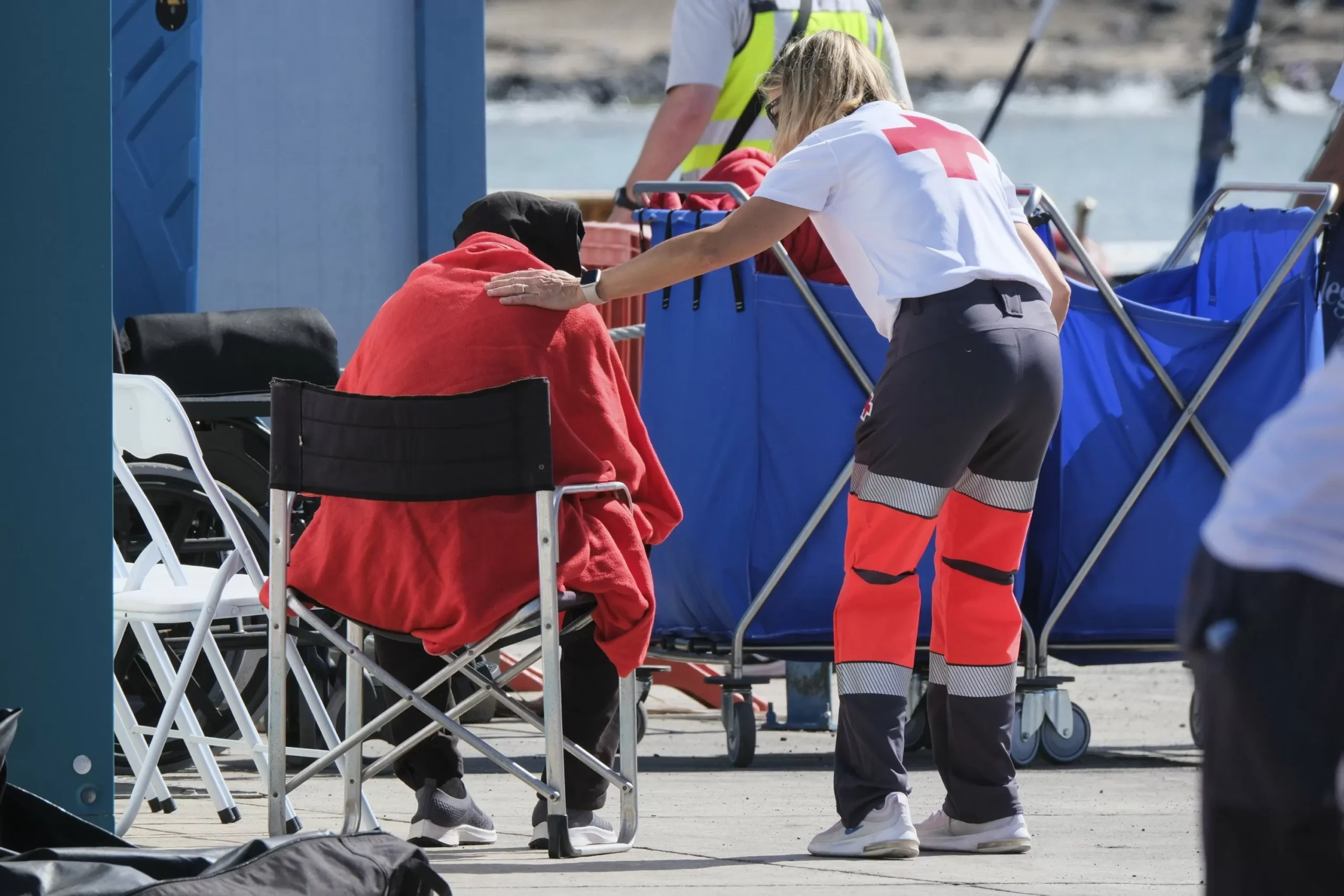
A migrant’s journey is never an easy one. The struggles and challenges they face in search of a better life are unimaginable for many. In addition to the dangers of the journey itself, migrants also face discrimination and persecution in their destination countries. However, amidst all the hardships, there are still people and organizations fighting for their rights and safety.
The Platform for International Cooperation on Undocumented Migrants (PICUM) is one such organization. On Tuesday, the group issued a warning that at least 142 people across Europe could face prosecution in 2024 for assisting or rescuing migrants. This alarming number is a clear indication of the ongoing criminalization of humanitarian work and the lack of protection for migrants in Europe.
PICUM is a network of organizations and individuals working to promote the rights of undocumented migrants in Europe. They work towards creating a more just and inclusive society for migrants, where their rights are respected and protected. However, their latest report, “Criminalization of Solidarity: 2021 Update,” highlights the increasing risks faced by those who provide assistance to migrants.
The report reveals that at least 142 individuals, including volunteers, activists, and human rights defenders, have been targeted for their humanitarian work in Europe in the past year. This number has more than doubled since PICUM’s last report in 2019, which recorded 57 cases of criminalization. The rise in numbers is deeply concerning and highlights the need for urgent action to protect those who are standing up for migrants’ rights.
The criminalization of humanitarian work is a growing trend in Europe. Many European countries have implemented laws and policies that make it illegal to provide assistance to migrants. These laws have a chilling effect on those who want to help and have a devastating impact on those who are already vulnerable. The fear of facing prosecution and imprisonment for their actions prevents many individuals and organizations from providing essential support and services to migrants.
Moreover, the report also highlights the disproportionate impact of these laws on certain groups, such as activists and volunteers who come from marginalized communities themselves. This further perpetuates discrimination and exclusion, making it even more challenging for migrants to access the support they need.
The criminalization of humanitarian work not only violates the fundamental human rights of those who are targeted but also goes against the core values of European societies. Europe has a long history of welcoming migrants and providing them with protection and support. However, these laws and policies undermine these values and send a message that helping migrants is a crime.
PICUM’s report also sheds light on the lack of protection for migrants in Europe. As the number of people seeking refuge in Europe continues to increase, it is crucial to have systems in place that provide them with the necessary support and assistance. Instead, they are met with hostility and criminalization, which only adds to their already traumatic experiences.
It is time for European governments to take responsibility and address the issue of criminalization of humanitarian work. They must ensure that their laws and policies are in line with international human rights standards and do not criminalize those who provide aid and assistance to migrants. Moreover, they must also take measures to protect and support migrants, especially those who are the most vulnerable.
Migrants are not criminals, and those who help them should not be treated as such. They are individuals seeking a better life and deserve to be treated with dignity and respect. It is only by working together and standing in solidarity with migrants that we can build a more just and inclusive society for all.
In conclusion, PICUM’s report is a wake-up call for European governments to take immediate action to address the criminalization of humanitarian work and protect the rights of migrants. We must all stand together and demand a more humane and compassionate approach towards migrants. Let us not forget that we are all human beings, and it is our moral duty to show compassion and empathy towards those in need.
