

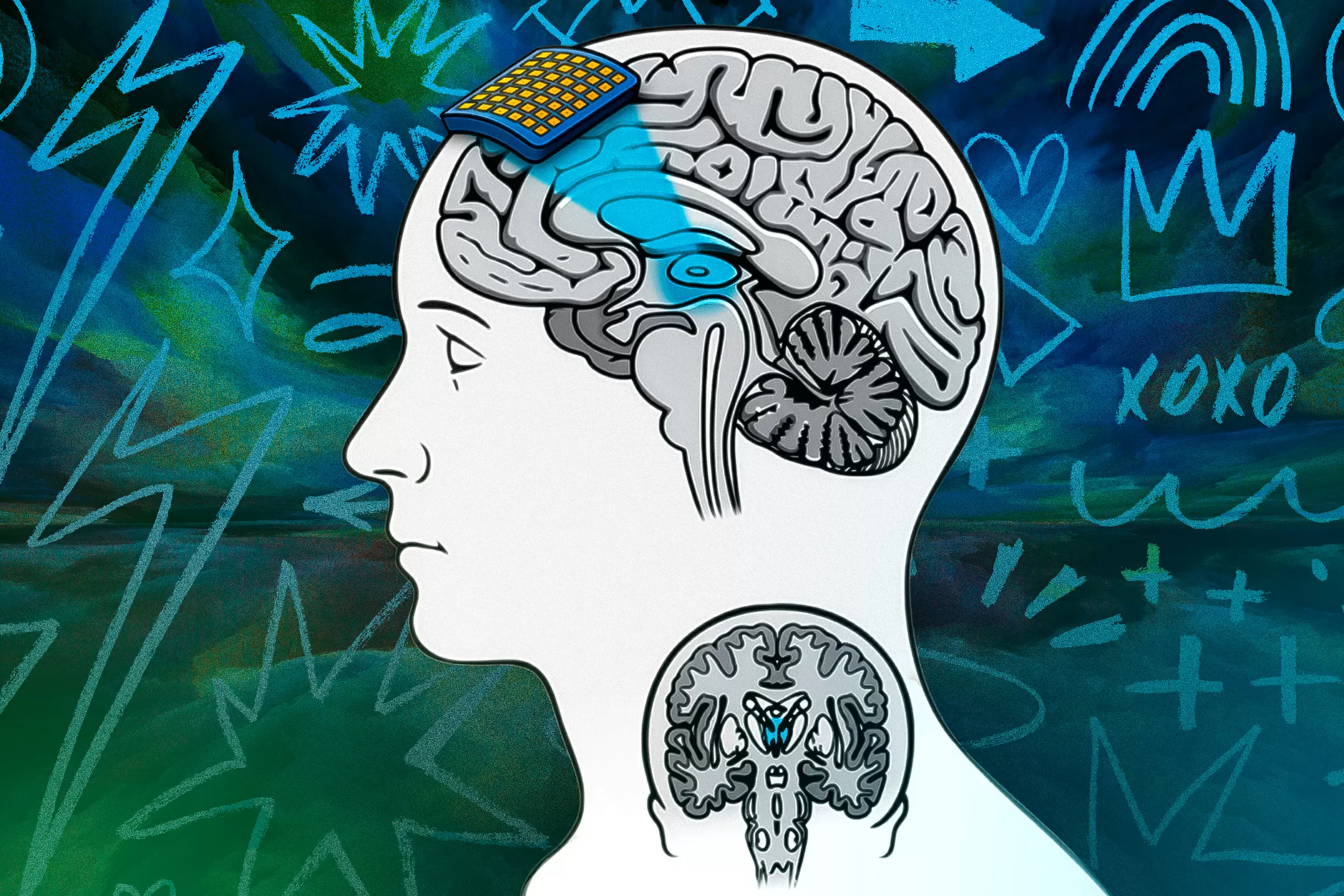
A groundbreaking new study has proposed a roadmap for using transcranial focused ultrasound, a noninvasive method for stimulating the brain and observing its functions. This exciting development has the potential to revolutionize our understanding of the brain and open up new possibilities for treating neurological conditions.
The study, conducted by a team of researchers from various universities and institutes, was recently published in the prestigious journal Nature Neuroscience. It outlines a detailed plan for incorporating transcranial focused ultrasound (TFUS) into neuroimaging studies, which could provide valuable insights into brain function and connectivity.
TFUS works by using ultrasound waves to target specific regions of the brain, which stimulates the neurons in that area. This stimulation then produces a response that can be measured using various imaging techniques, such as functional MRI or EEG. This allows researchers to observe how different areas of the brain communicate and how they are affected by certain tasks or stimuli.
One of the most exciting aspects of TFUS is that it is completely noninvasive, meaning it does not require any surgery or implants. This makes it a safer and more accessible alternative to other forms of brain stimulation, such as transcranial magnetic stimulation or deep brain stimulation, which carry a higher risk of side effects.
The potential applications of TFUS are vast and varied. For example, it could be used to study brain disorders such as Alzheimer’s disease, Parkinson’s disease, or depression, providing valuable insights into their underlying mechanisms. It could also be used to map out the functional connectivity of the brain, shedding light on how different regions work together to perform complex tasks.
One of the key advantages of TFUS is its ability to target very specific areas of the brain with precision. This is possible thanks to recent advances in ultrasound technology, which allow researchers to focus the waves on a specific site as small as a few millimeters. This level of precision is crucial for studying the brain, as even small disruptions in brain activity can have a significant impact on overall function.
The proposed roadmap for using TFUS in neuroimaging studies outlines several key steps that need to be taken before this technology can be widely adopted. These include further research to optimize the technique, establishing standardized protocols for data collection and analysis, and developing user-friendly software for data visualization.
The researchers also highlight the need for collaboration between different disciplines, such as neuroscience, engineering, and physics, to advance this technology and unlock its full potential. This interdisciplinary approach is crucial for overcoming the challenges and limitations associated with TFUS, and for harnessing its power to gain a deeper understanding of the brain.
The possibilities of TFUS are truly remarkable, and this study has provided a solid foundation for further exploration. With the roadmap laid out, researchers can now focus on refining and expanding this technique, paving the way for a new era of brain research.
In addition to its potential in research, TFUS also holds promise for clinical applications. For example, it could be used to deliver targeted therapy to specific regions of the brain, providing a noninvasive alternative to traditional treatments. This could have significant implications for patients with conditions such as chronic pain or movement disorders, who often experience limited relief from current treatment options.
The researchers behind this study are excited about the possibilities of TFUS and are hopeful that their roadmap will inspire further research and collaboration in this area. They believe that this technology has the potential to transform our understanding of the brain and lead to new breakthroughs in both research and treatment.
In conclusion, the proposal of a roadmap for using transcranial focused ultrasound has opened up a world of possibilities for brain research and treatment. With its noninvasive nature and ability to target specific regions of the brain, TFUS could provide valuable insights into brain function and pave the way for new treatment options. It is an exciting time for the field of neuroscience, and TFUS is set to play a significant role in shaping its future.
