

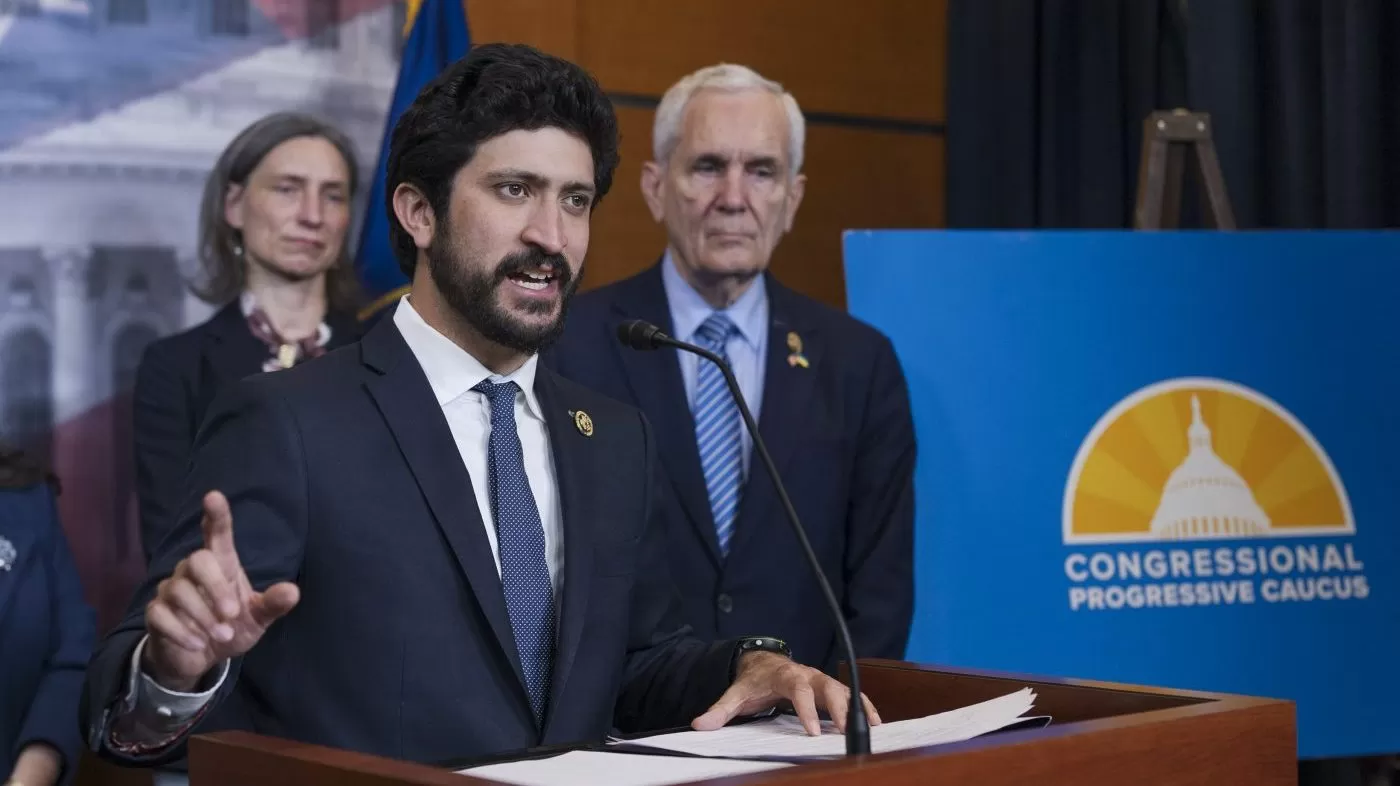
The Congressional Progressive Caucus has taken a strong stance against the addition of language to the annual defense bill that would preempt state laws regulating artificial intelligence (AI). In a statement released on Wednesday, the bloc of nearly 100 Democratic lawmakers expressed their opposition to the inclusion of a preemption provision in the National Defense Authorization Act (NDAA).
The decision was made after a “super-majority margin” vote on Tuesday, where the majority of the caucus members voted in favor of opposing the preemption provision. This move highlights the growing concern among lawmakers about the potential consequences of preempting state laws on AI regulation.
The statement released by the caucus emphasized the importance of state laws in regulating AI and protecting the rights of citizens. It stated, “At present, state laws are the primary means of regulating AI and ensuring that it is used ethically and responsibly. Preempting these laws would undermine the efforts of states to protect their citizens and could have far-reaching consequences.”
The issue of AI regulation has been a topic of discussion in Congress for some time now. With the rapid advancements in technology, there is a growing need for regulations to ensure that AI is used in a responsible and ethical manner. However, there is also a concern that preempting state laws could hinder the progress of AI development and innovation.
The Congressional Progressive Caucus has recognized the importance of finding a balance between regulating AI and promoting innovation. In their statement, they acknowledged the need for federal regulations on AI but stressed that it should not come at the cost of preempting state laws.
The decision of the caucus to oppose the preemption provision in the NDAA has been met with support from various organizations and experts in the field. Many have praised the move, stating that it is a step in the right direction towards responsible AI regulation.
One of the main concerns raised by the caucus is the potential impact on civil rights and privacy. With AI being used in various industries, including law enforcement and healthcare, there is a fear that preempting state laws could lead to discrimination and violation of privacy rights.
The statement also highlighted the need for a comprehensive approach to AI regulation, rather than a one-size-fits-all solution. Each state has its own unique needs and challenges, and preempting their laws could hinder their ability to address these issues effectively.
The Congressional Progressive Caucus has called for a collaborative effort between federal and state governments to develop a framework for AI regulation that takes into account the concerns of all stakeholders. This approach would ensure that AI is used in a responsible and ethical manner while also promoting innovation and progress.
The decision of the caucus to oppose the preemption provision in the NDAA is a significant step towards promoting responsible AI regulation. It sends a strong message that the protection of citizens’ rights and the promotion of innovation should go hand in hand.
In conclusion, the Congressional Progressive Caucus has taken a bold stance against preempting state laws regulating AI. Their decision to oppose the preemption provision in the NDAA highlights the need for a balanced approach to AI regulation that considers the concerns of all stakeholders. It is a positive step towards promoting responsible and ethical use of AI while also fostering innovation and progress.
