

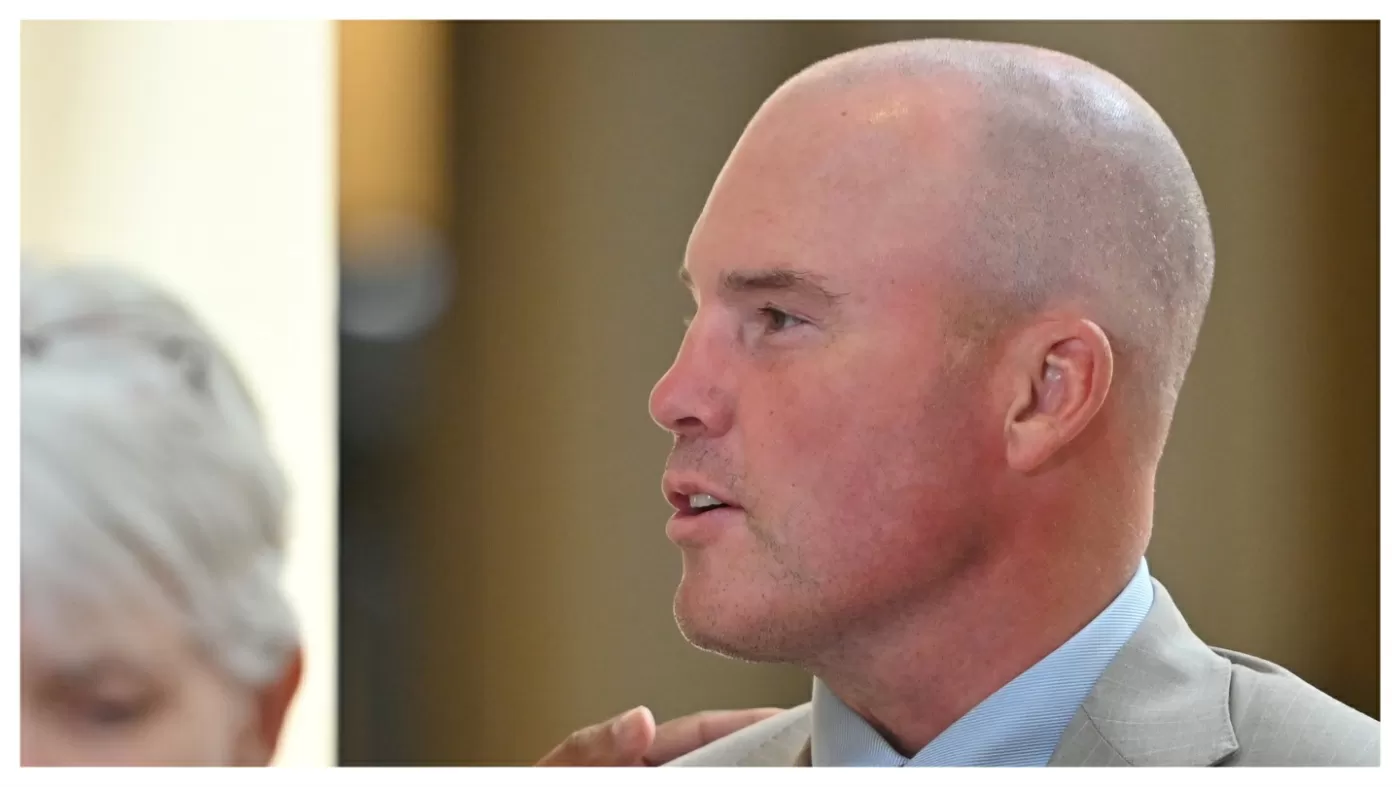
Pennsylvania state senator Marty Flynn (D) is once again pushing for the legalization of flying cars in the state. In a recent announcement, Flynn revealed his plans to reintroduce the legislation that would allow drivers to use flying cars both on the road and in the air.
This is not the first time that Flynn has proposed such a bill. In fact, during the state’s previous legislative session, he had also tried to push for the legalization of flying cars. However, the legislation failed to gain enough support and was ultimately not passed.
But Flynn is not giving up on his vision of bringing flying cars to Pennsylvania. In a January memo, he expressed his determination to reintroduce the bill and work towards making this futuristic concept a reality.
The idea of flying cars may seem like something straight out of a science fiction movie, but the technology for it already exists. With advancements in engineering and technology, flying cars are no longer just a dream. And with Flynn’s proposal, Pennsylvania could become one of the first states in the country to officially legalize the use of flying cars.
The benefits of flying cars are numerous, and Flynn is highlighting them in his push for the legislation. For one, flying cars would help ease traffic congestion on roadways. With the ability to fly, they could bypass the busy streets and reach their destinations much faster. This would not only save time for commuters, but it would also reduce the amount of carbon emissions from cars stuck in traffic.
Moreover, flying cars would also open up new possibilities for transportation and commuting. They could potentially connect rural and urban areas, making it easier for people to access jobs and services. Emergency services could also benefit from flying cars, as they would have a faster way of reaching their destinations and providing assistance.
But the use of flying cars would not just be limited to transportation. They could also have an impact on industries such as tourism and agriculture. Imagine being able to travel to remote and scenic areas of Pennsylvania in a flying car, or using them for aerial surveys and crop monitoring in the agricultural sector.
Of course, with new technology comes concerns for safety and regulation. However, Flynn’s proposed legislation includes provisions for safety regulations and training requirements for flying car operators. This would ensure that the use of flying cars is done responsibly and safely.
Flynn’s reintroduction of the legislation has already gained some support from fellow lawmakers and industry leaders. And with the potential benefits it could bring to the state, there is hope that this time around, it will gain enough support to be passed into law.
The introduction of flying cars in Pennsylvania would not only benefit the state’s residents but also put it on the map as a progressive and innovative state. It would attract new businesses and investors, and potentially create job opportunities in industries related to flying cars.
Other states and countries have also toyed with the idea of legalizing flying cars, but so far, none have been successful. If Pennsylvania becomes the first state to do so, it would set an example for others to follow and solidify its position as a leader in embracing new technology.
In conclusion, Marty Flynn’s reintroduction of the legislation to legalize flying cars in Pennsylvania is a bold and ambitious move. It has the potential to revolutionize transportation and bring about numerous benefits for the state. With support and proper regulation, flying cars could become a common sight in the skies of Pennsylvania in the near future.
