

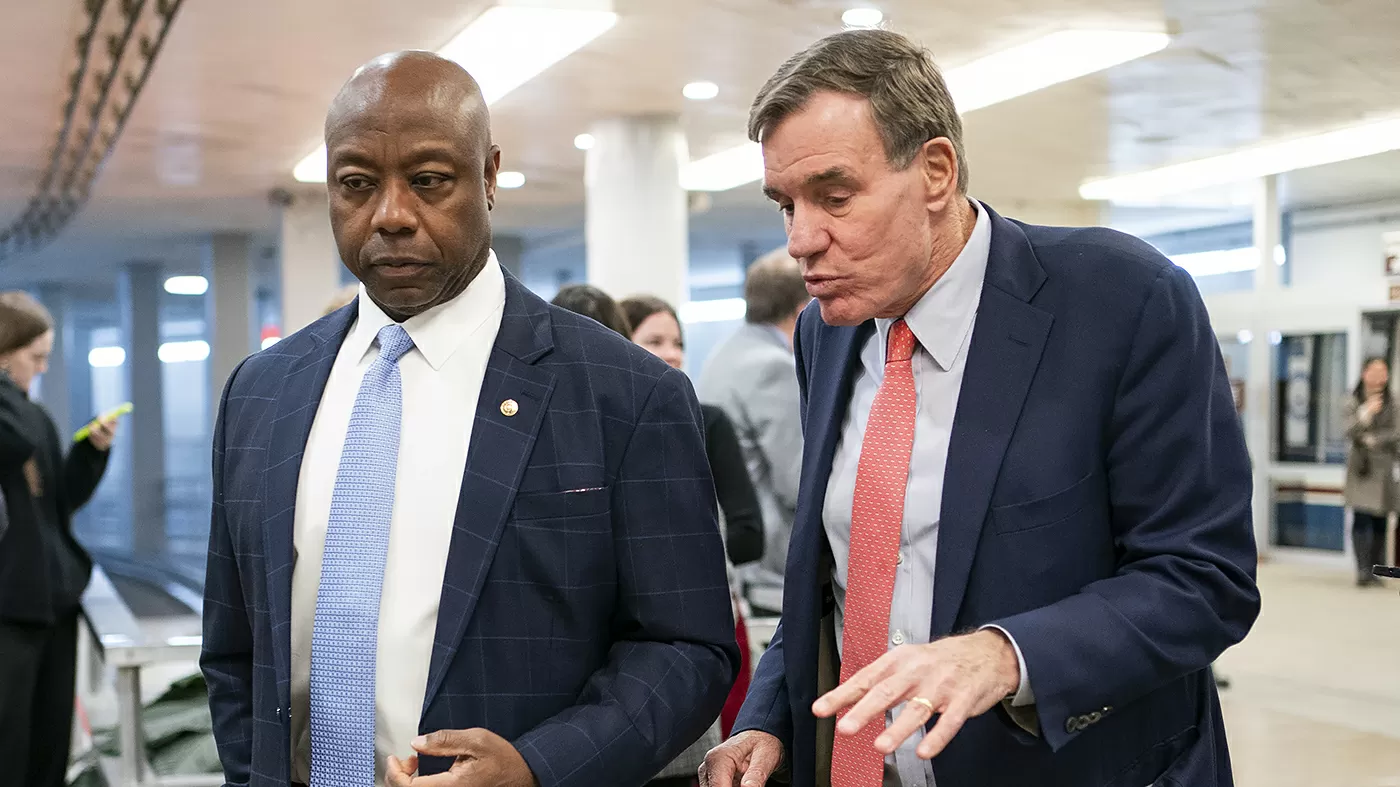
Legislation to create clear rules for the cryptocurrency industry has been a hot topic in the United States Senate recently. With the exponential growth of the crypto market, there has been a growing concern among lawmakers about the lack of regulation and oversight in this industry. However, despite efforts to establish a framework for the crypto market, bipartisan negotiations have hit a roadblock, throwing the bill’s future into uncertainty.
The proposed legislation, known as the Crypto Market Structure Bill, aims to address the lack of clarity in terms of which financial regulator will oversee different aspects of the cryptocurrency industry. Currently, there is a lack of consensus on whether the Securities and Exchange Commission (SEC) or the Commodity Futures Trading Commission (CFTC) should have jurisdiction over certain aspects of the market.
In recent weeks, it seemed like progress was being made in the Senate, with both Democrats and Republicans coming together to find a solution. However, negotiations have now broken down, leaving the bill’s path forward increasingly uncertain. This has caused disappointment among many who were hoping for a resolution to the regulatory uncertainties surrounding the crypto market.
One of the main points of contention between the two parties is the issue of investor protection. Democrats are pushing for stricter regulations and oversight to protect investors from potential fraud and scams in the crypto market. On the other hand, Republicans argue that too much regulation could stifle innovation and growth in this emerging industry.
The roadblock in the Senate has also been attributed to the differing opinions within the crypto industry itself. While some players in the industry have been pushing for more regulation to bring legitimacy and stability to the market, others believe that self-regulation is the way to go. This divide has made it challenging for lawmakers to come to a consensus on the best course of action.
The uncertainty surrounding the bill has also caused concern among investors, as the lack of clear regulations can lead to volatility and instability in the crypto market. Without proper oversight, there is a risk of bad actors taking advantage of the lack of regulations and harming investors.
However, not all hope is lost. Both Democrats and Republicans have expressed their willingness to continue negotiations and find a solution that works for all parties involved. This shows that there is still a strong desire to regulate the crypto market and bring clarity to this rapidly growing industry.
In the meantime, some states have taken matters into their own hands and have started implementing their own regulations for the crypto market. This patchwork of state-level regulations can create confusion and hinder the growth of the industry. Therefore, it is crucial for the federal government to step in and establish a clear and comprehensive framework for the entire country.
The crypto market has proven to be resilient and adaptable, with its value reaching new heights in recent months. However, without proper regulations, the potential for growth and innovation in this industry may be hindered. It is time for lawmakers to put aside their differences and work towards creating a clear and effective regulatory framework for the crypto market.
In conclusion, the roadblock in the Senate for the Crypto Market Structure Bill is a setback, but it is not the end. Both Democrats and Republicans must continue to work together to find a solution that protects investors while also promoting innovation in the crypto industry. With the right regulations in place, the crypto market can continue to thrive and contribute to the economy. The time for clear and comprehensive rules for the cryptocurrency industry is now, and we must not let this opportunity slip away.
