

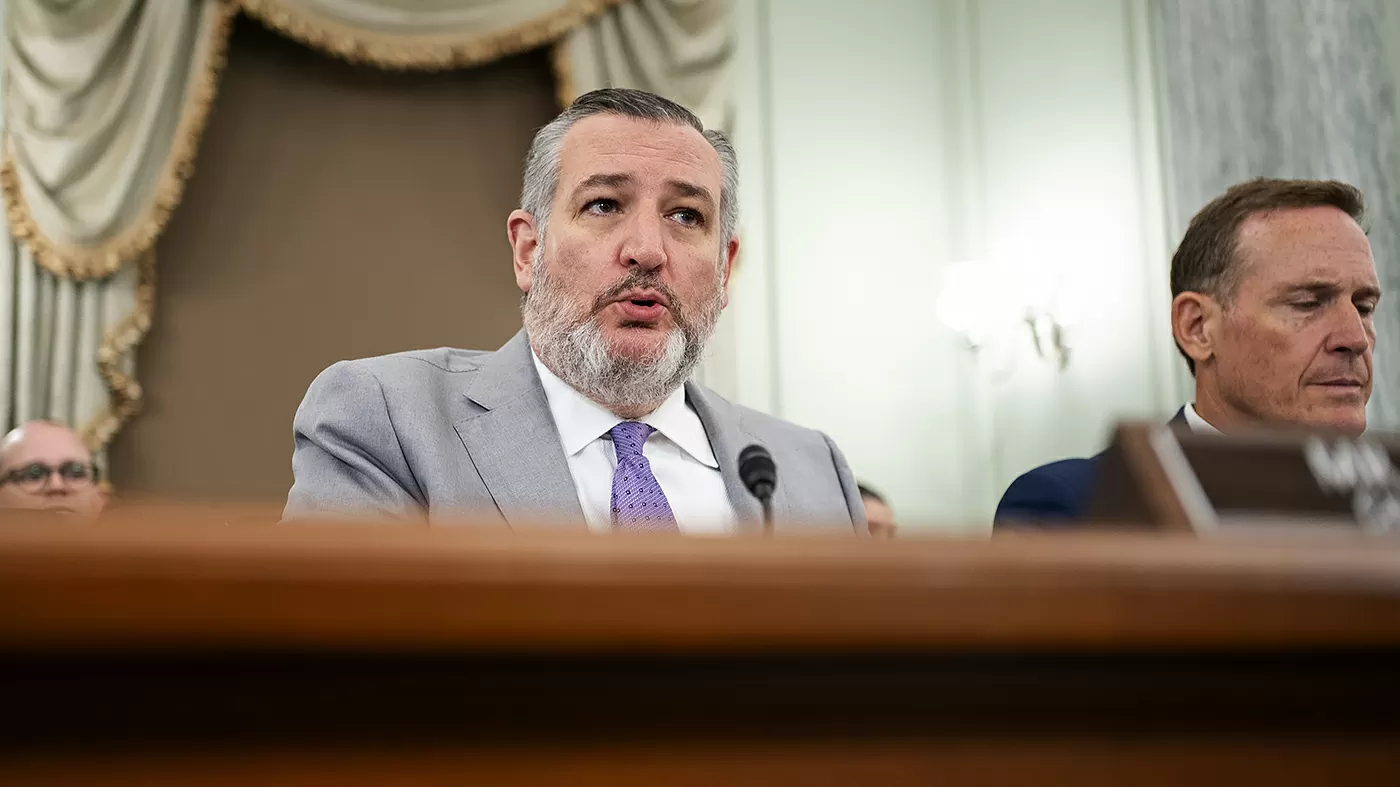
Senate Commerce Committee Chair Ted Cruz (R-Texas) has recently raised concerns about potential left-wing bias within the widely used online encyclopedia, Wikipedia. In a letter addressed to Wikimedia Foundation CEO Maryana Iskander, Cruz pressed for information on how the platform maintains its content and addresses ideological bias.
The letter comes amid growing criticism from conservatives who believe that Wikipedia has a left-leaning bias and has been censoring or suppressing information that does not align with their political beliefs. This has sparked a debate on the objectivity and reliability of the popular online resource.
Cruz, who has been a vocal critic of big tech companies and their handling of conservative voices, highlighted the importance of transparency and neutrality in a platform that is used by millions of people around the world. He stated, “Wikipedia began with a noble mission to create a free and open encyclopedia, but as it grew in popularity, it also became a platform for political agendas and biased information.”
The senator specifically pointed out examples of alleged bias on Wikipedia, including the editing of pages on political figures and issues. He also expressed concern over the lack of diversity among Wikipedia editors, stating that it could contribute to a one-sided perspective on certain topics.
Cruz’s letter requested information on Wikipedia’s editorial processes, content moderation, and measures taken to address potential ideological bias. He also asked for data on the demographics of Wikipedia editors and their political affiliations.
In response, Wikimedia Foundation CEO Maryana Iskander stated that Wikipedia is committed to providing unbiased and accurate information to its readers. She emphasized that the platform is built on a community of volunteer editors who come from diverse backgrounds and do not have any political agenda.
Iskander also highlighted Wikipedia’s policies and guidelines that aim to ensure neutrality and reliability of information. She stated, “Wikipedia does not allow biased or opinionated content and encourages editors to provide sources and citations for all information presented on the platform.”
Furthermore, Iskander assured that Wikipedia has a robust system in place to address any concerns about biased content. She stated that Wikipedia’s volunteer editors are constantly monitoring and reviewing articles to ensure they adhere to the platform’s standards.
The Wikimedia Foundation also released a statement addressing Cruz’s concerns, stating that they are committed to transparency and will provide the requested information to the Senate Commerce Committee. They also invited Cruz to engage in a dialogue with Wikipedia’s editors and community to address any concerns or misconceptions about the platform’s neutrality.
Wikipedia has been a go-to source for information for millions of people around the world since its inception in 2001. It has become an important tool for students, researchers, and the general public to access information on a wide range of topics. However, with its popularity and influence, comes the responsibility to ensure that the information presented is unbiased and reliable.
Cruz’s letter has sparked a much-needed conversation about the objectivity of information on Wikipedia and the role of the platform in shaping public opinion. It is essential for Wikipedia to address any concerns about bias and maintain its reputation as a reliable source of information.
In conclusion, Senator Ted Cruz’s letter to Wikimedia Foundation CEO Maryana Iskander highlights the need for transparency and neutrality in the widely used online encyclopedia, Wikipedia. It is crucial for the platform to address any concerns about ideological bias and ensure that it remains a reliable source of information for its millions of users. As a society, we must continue to hold platforms like Wikipedia accountable for providing unbiased and accurate information to the public.
