

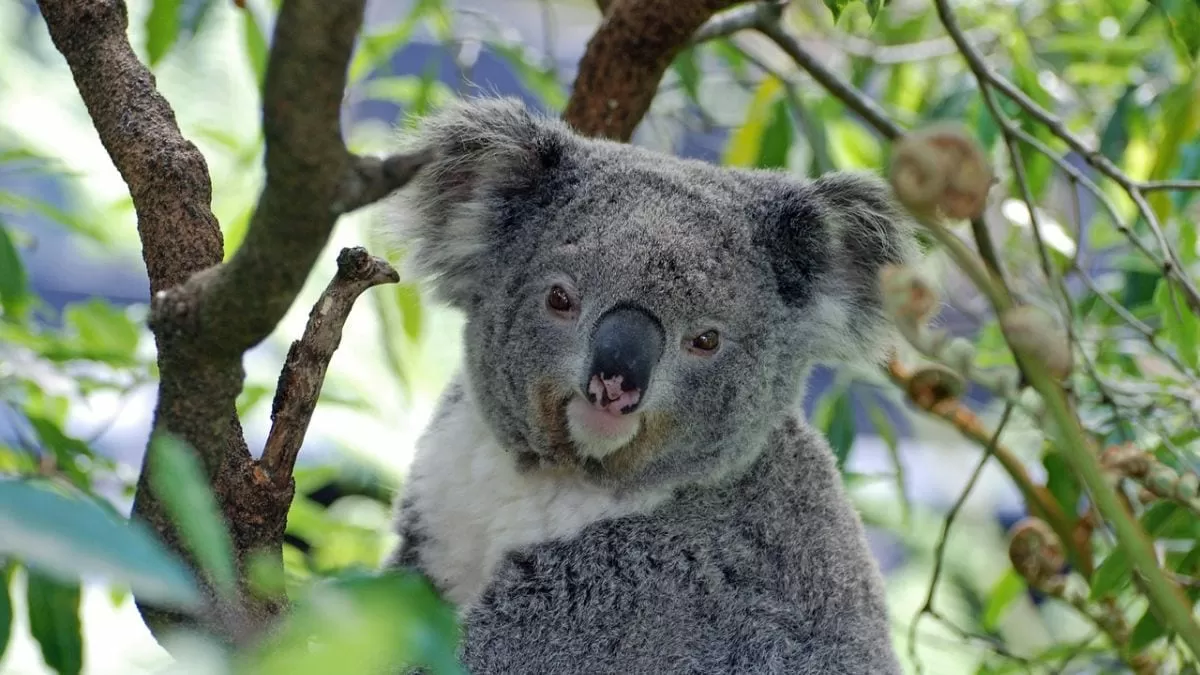
In a groundbreaking study, researchers from the University of Newcastle have made a remarkable discovery – there are over 4,300 koalas living in the bushlands on the suburban fringe of Newcastle. This is a significant finding that sheds light on the survival of these iconic Australian animals.
Using state-of-the-art thermal imaging and drone technology, the team was able to map the populations of koalas across 208 sites, including areas that were previously unexplored such as the Sugarloaf State Conservation Area. This has provided valuable insights into the distribution and abundance of koalas in the region.
The results of this study are truly remarkable. It shows that despite the challenges faced by koalas, they are thriving in the bushlands of Newcastle. This is a testament to the resilience and adaptability of these beloved creatures.
Koalas have long been an integral part of Australia’s identity and are often referred to as the country’s national treasure. However, in recent years, their population has been declining due to various factors such as habitat loss, disease, and climate change. This study brings a glimmer of hope for the future of koalas in Australia.
The use of thermal imaging and drone technology has proven to be a game-changer in the field of wildlife research. These advanced techniques have enabled researchers to accurately map the koala populations and gain a better understanding of their behavior and habitat preferences. This information is crucial for conservation efforts and will aid in the development of effective strategies to protect these animals.
One of the most significant findings of this study is the presence of koalas in the Sugarloaf State Conservation Area. This area had previously been considered unsuitable for koalas due to its rugged terrain and lack of suitable food sources. However, the use of thermal imaging and drones revealed that there is a significant population of koalas living in this area, which was previously unknown. This highlights the importance of using advanced technology in wildlife research to uncover hidden populations and gain a more comprehensive understanding of the species.
The University of Newcastle’s study has also shed light on the importance of preserving and protecting the bushlands on the suburban fringe. These areas serve as vital habitats for koalas and other wildlife, and their conservation is crucial for the survival of these species. The findings of this study will undoubtedly play a significant role in the development of conservation plans and policies to safeguard these habitats.
The success of this study would not have been possible without the collaboration and support of various organizations and individuals. The University of Newcastle’s research team worked closely with local councils, landowners, and community groups to gather data and conduct surveys. This collaborative effort is a testament to the dedication and passion of all those involved in the conservation of koalas.
The University of Newcastle’s study has not only provided valuable insights into the koala populations in the region but has also highlighted the importance of using advanced technology in wildlife research. This study serves as a shining example of how technology can be harnessed for the betterment of our environment and the protection of our precious wildlife.
In conclusion, the University of Newcastle’s landmark study has brought to light the thriving koala populations in the bushlands on the suburban fringe of Newcastle. This is a significant discovery that gives hope for the future of these iconic Australian animals. The use of advanced technology has played a crucial role in this study, and it is a testament to the power of collaboration and innovation in wildlife research. Let us all work together to ensure the continued survival of koalas and other wildlife in our beautiful country.
