

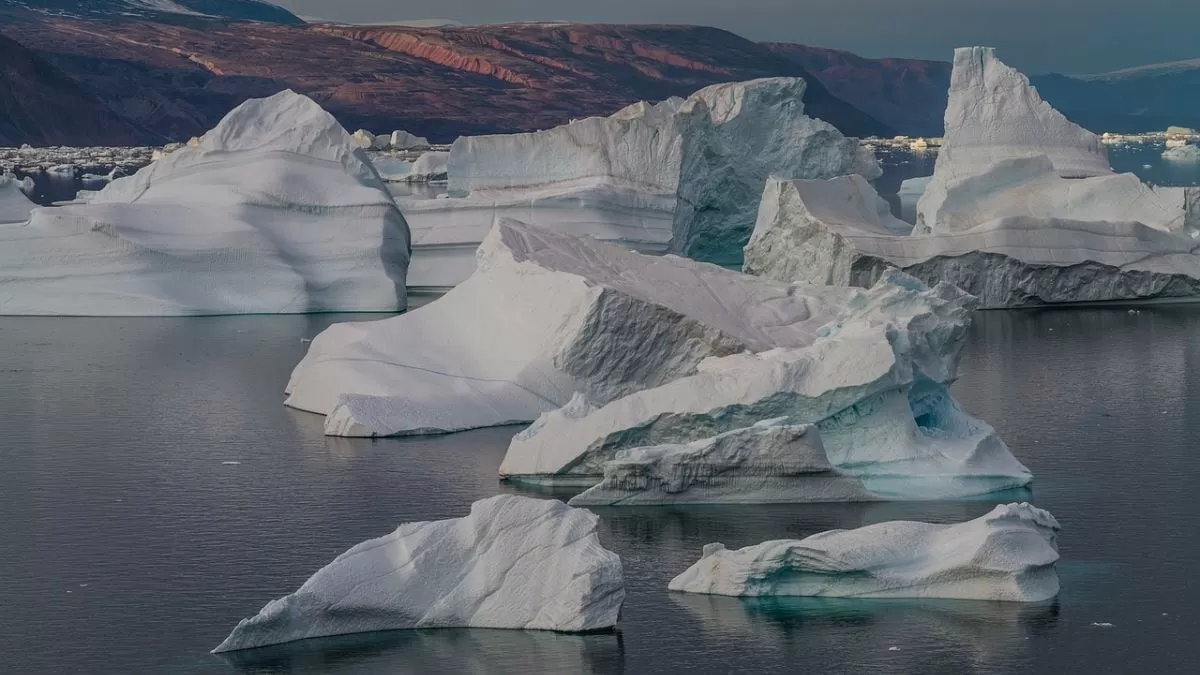
China has long been known for its magnificent natural beauty, with its vast landscapes, towering mountains, and ancient glaciers. However, recent data from the Chinese Academy of Sciences has revealed a concerning trend – China’s glaciers are shrinking at an alarming rate. Over the past six decades, the country’s glaciers have decreased by 26 percent, with nearly 7,000 small glaciers disappearing completely. This has not only raised concerns about the impact on the environment but also the potential consequences for the country’s water supply.
According to the data, the total area covered by glaciers in China has dropped from 59,000 square kilometers in the 1960s to 46,000 square kilometers by 2020. This is a significant loss and has been attributed to various factors, including rising temperatures and human activities. As the Earth’s temperature continues to rise, the glaciers melt at a faster rate, leading to their shrinkage. Additionally, human activities such as mining and construction have also contributed to the decline of China’s glaciers.
What is even more concerning is the potential impact of this loss on the country’s water supply. Glaciers play a crucial role in providing freshwater to rivers and lakes, which are essential for irrigation and domestic use. With the shrinking of these glaciers, scientists warn that water shortages could worsen, particularly in the western regions of China where the majority of the glaciers are located. This could have a severe impact on the lives of millions of people who rely on these water sources.
To address this issue, the Chinese government has taken steps to slow down the process of glacier shrinkage. One method being used is the construction of artificial glaciers, which are designed to mimic the natural formation of glaciers. These artificial glaciers are built by diverting water from rivers and streams to higher altitudes where the temperatures are lower, allowing the water to freeze and form ice. These man-made glaciers not only help to preserve freshwater resources but also serve as a tourist attraction, bringing in revenue for local communities.
In addition to artificial glaciers, the Chinese government has also implemented policies to reduce carbon emissions and promote sustainable development. This includes investing in renewable energy sources and promoting green practices in industries such as mining and construction. These efforts are not only crucial for addressing the issue of glacier shrinkage but also for the overall health of the environment.
Furthermore, scientists and researchers are also working to better understand the complex dynamics of glaciers and their response to climate change. Through advanced technology and research, they hope to develop effective strategies for preserving and restoring China’s glaciers.
In conclusion, the shrinking of glaciers in China is a concerning issue that requires urgent attention. The loss of these ancient glaciers not only impacts the environment but also poses a threat to the country’s water supply. However, with the government’s efforts towards implementing sustainable practices and the determination of scientists and researchers, there is hope for the preservation of these natural wonders. It is crucial for all of us to recognize the importance of protecting our environment and take action to mitigate the effects of climate change. Let us work together to ensure that China’s glaciers continue to awe and inspire generations to come.
